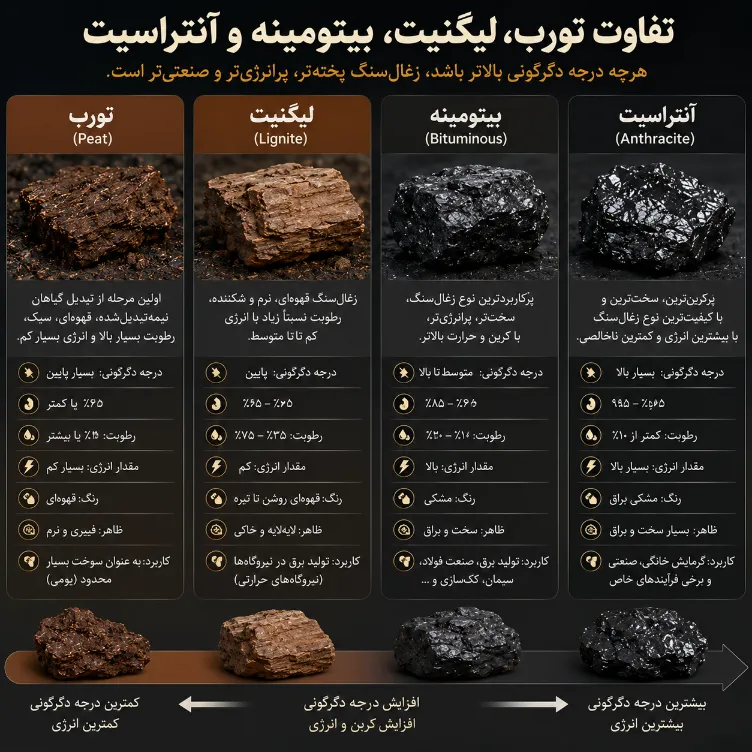

زغالسنگ همچنان یکی از عناصر مهم سیستم انرژی جهانی محسوب میشود و در بیش از ۸۰ کشور جهان نقش قابل توجهی در تأمین برق، تولید حرارت، فعالیتهای صنعتی و توسعه اقتصادی دارد. اگرچه انرژیهای تجدیدپذیر با سرعت زیادی در حال گسترش هستند، اما زغالسنگ به دلیل فراوانی منابع، هزینه اقتصادی مناسب و وجود زیرساختهای گسترده استخراج، حملونقل و مصرف، همچنان یکی از منابع اصلی انرژی جهان باقی مانده است.
بر اساس گزارش آژانس بینالمللی انرژی (IEA)، انتظار میرود زغالسنگ تا سال ۲۰۴۰ همچنان بزرگترین منبع منفرد تولید برق در جهان باقی بماند. نقش زغالسنگ تنها به تولید برق محدود نمیشود، بلکه این ماده در تأمین حرارت نیز اهمیت زیادی دارد، بهخصوص در مناطقی با آبوهوای سرد. در بسیاری از کشورها، سیستمهای گرمایش شهری و خانگی از طریق نیروگاههای تولید همزمان برق و حرارت مبتنی بر زغالسنگ تأمین میشوند.
طبق گزارش Coal Market Update آژانس بینالمللی انرژی، نیروگاههای زغالسنگی در سال ۲۰۲۲ حدود ۱۰٬۴۴۰ تراواتساعت (TWh) برق تولید کردند که معادل حدود ۳۶ درصد از کل تولید برق جهان بوده است. این آمار نشاندهنده نقش مهم زغالسنگ در ساختار انرژی جهانی است. با این حال، چالشهای زیستمحیطی ناشی از مصرف زغالسنگ، ضرورت توسعه فناوریهای پاکتر و کارآمدتر برای کاهش انتشار آلایندهها را افزایش داده است.
تبدیل زغالسنگ به هیدروژن؛ مسیری برای انرژی پاکتر
هیدروژن در آینده انرژی جهان نقش مهمی خواهد داشت و پیشبینی میشود تا سال ۲۰۵۰ حدود ۱۴ درصد از تقاضای انرژی جهان را به خود اختصاص دهد.
یکی از روشهای تولید هیدروژن، استفاده از فناوری گازیسازی زغالسنگ همراه با جذب، استفاده و ذخیرهسازی کربن (CCUS) است. این فناوری امکان تولید هیدروژن از زغالسنگ را با کاهش قابل توجه انتشار دیاکسیدکربن فراهم میکند.
بر اساس گزارش آژانس بینالمللی انرژی، هزینه متوسط تولید هیدروژن از زغالسنگ همراه با CCUS حدود ۱٫۴ تا ۳٫۱ دلار به ازای هر کیلوگرم هیدروژن برآورد شده است. این در حالی است که هزینه تولید هیدروژن کمکربن از طریق الکترولیز آب معمولاً حدود ۳ تا ۷٫۵ دلار به ازای هر کیلوگرم هیدروژن است. مطالعات دیگر نیز هزینه تولید هیدروژن از گازیسازی زغالسنگ همراه با CCUS را حدود ۱٫۹ تا ۲٫۴ دلار به ازای هر کیلوگرم اعلام کردهاند که در چین به دلیل توسعه فناوری و مقیاس تولید، این مقدار میتواند تا حدود ۱٫۶ دلار کاهش یابد.
یکی از بزرگترین پروژههای تولید هیدروژن از زغالسنگ پاک در یولین، استان شانشی چین راهاندازی شده است. این کارخانه ظرفیت تولید سالانه حدود ۳۵۰ هزار تن هیدروژن را دارد و انتظار میرود سالانه حدود ۲۲۰ هزار تن انتشار دیاکسیدکربن را کاهش دهد.
تبدیل زغالسنگ به هیدروژن نمونهای از کاربردهای نوین فناوریهای کاهش آلایندگی زغالسنگ است که به کشورهای وابسته به زغالسنگ کمک میکند ضمن استفاده از منابع موجود، اهداف توسعه صنعتی، امنیت انرژی و کاهش انتشار کربن را دنبال کنند.
نقش زغالسنگ در کشاورزی و امنیت غذایی
علاوه بر حوزه انرژی، زغالسنگ در بخش کشاورزی نیز کاربردهای مهمی دارد.
یکی از مهمترین کاربردها، تولید آمونیاک از طریق گازیسازی زغالسنگ است. آمونیاک ماده اولیه اصلی تولید کودهای نیتروژنی محسوب میشود که برای رشد گیاهان و افزایش تولید محصولات کشاورزی ضروری هستند. طی پنج دهه گذشته، تولید جهانی کودهای آمونیاکی افزایش چشمگیری داشته و به حدود ۱۷۶ میلیون تن در سال رسیده است.
همچنین زغالسنگ با منشأ گیاهی میتواند منبع تولید مواد هیومیکی (Humates) باشد. این ترکیبات از زغالسنگ استخراج شده و بهعنوان مکمل خاک مورد استفاده قرار میگیرند. استفاده از این محصولات بهخصوص در آسیا در حال افزایش است و تقاضای جهانی برای محصولات هیومیکی حدود ۱۰ درصد در سال رشد میکند.
استفاده کشاورزی از محصولات حاصل از زغالسنگ، علاوه بر ایجاد ارزش افزوده بیشتر، باعث کاهش وابستگی به برخی کودهای شیمیایی، کاهش هزینههای تولید، کاهش ضایعات و حمایت از امنیت غذایی جهان میشود.
جمعبندی
اگرچه جهان به سمت استفاده بیشتر از انرژیهای تجدیدپذیر و منابع کمکربن حرکت میکند، زغالسنگ همچنان نقش مهمی در تأمین انرژی، توسعه صنعتی، تولید هیدروژن و حمایت از کشاورزی دارد. آینده این صنعت به میزان توسعه فناوریهای پاک، افزایش راندمان، مدیریت انتشار کربن و ایجاد کاربردهای نوآورانهای وابسته خواهد بود که بتوانند اثرات زیستمحیطی مصرف زغالسنگ را کاهش دهند.
The Continued Role of Coal in Global Energy, Hydrogen Production, and Agriculture
Coal continues to be a fundamental component of the global energy system, supporting electricity generation, heat production, industrial activities, and economic development in more than 80 countries around the world. Although renewable energy sources are expanding rapidly, coal remains one of the most widely available and reliable energy resources due to its abundance, affordability, and the extensive infrastructure already established for its extraction, transportation, and utilization.
According to the International Energy Agency (IEA), coal is expected to remain the world’s largest single source of electricity generation through 2040. Beyond electricity production, coal also plays an important role in supplying heat, particularly in regions with cold climates. In many countries, residential and commercial heating systems rely on district heating networks powered by coal-fired combined heat and power plants.
According to the IEA Coal Market Update, coal-fired power plants generated approximately 10,440 terawatt hours (TWh) of electricity in 2022, representing around 36% of global electricity generation. These figures highlight the continued importance of coal within the global energy mix. However, the ongoing environmental challenges associated with coal use emphasize the need for cleaner, more efficient technologies that can reduce emissions while maintaining energy security.
Coal-to-Hydrogen: A Pathway Toward Cleaner Energy
Hydrogen is expected to become an important element in the global transition toward cleaner energy systems. Forecasts indicate that hydrogen could represent approximately 14% of global energy demand by 2050.
Coal can contribute to hydrogen production through advanced technologies such as coal gasification combined with Carbon Capture, Utilization, and Storage (CCUS). This approach allows hydrogen to be produced from coal while significantly reducing carbon emissions.
According to the International Energy Agency (IEA), the average production cost of hydrogen from coal with CCUS is estimated at approximately 1.4–3.1 US$/kg H₂, making it potentially more competitive compared with low-carbon hydrogen produced through water electrolysis, which typically costs around 3.0–7.5 US$/kg H₂. Other studies estimate that coal gasification with CCUS can produce hydrogen at approximately 1.9–2.4 US$/kg H₂, with costs potentially reaching 1.6 US$/kg H₂ in China due to technological development and scale advantages.
One of the world’s largest clean coal-to-hydrogen projects was commissioned in Yulin, Shaanxi Province, China. The facility has an annual hydrogen production capacity of approximately 350,000 tonnes and is expected to reduce carbon dioxide emissions by around 220,000 tonnes per year.
The conversion of coal into hydrogen represents an innovative application of cleaner coal technologies. It provides coal-producing countries with an opportunity to utilize existing resources while supporting their long-term goals for energy security, industrial development, and carbon reduction.
Coal’s Contribution to Agriculture and Food Security
Beyond energy production, coal also supports agriculture through several important applications.
One major use is the production of ammonia through coal gasification. Ammonia is a key component in nitrogen fertilizers, which are essential for plant growth and global food production. Over the past five decades, global ammonia fertilizer production has increased significantly, reaching approximately 176 million tonnes annually, supporting higher agricultural productivity worldwide.
Coal can also provide a source of humic substances (humates). These organic compounds can be extracted from plant-derived coal and applied as soil supplements to improve soil quality, enhance nutrient availability, and support agricultural productivity. This application is becoming increasingly important, particularly in Asia, where demand for humic products is growing by approximately 10% annually.
The agricultural use of coal-derived products provides additional value from coal resources, reduces dependence on certain chemical fertilizers, lowers production costs, minimizes waste, and contributes to improving global food security.
Conclusion
While the global energy sector is increasingly moving toward renewable and lower-carbon solutions, coal continues to play a significant role in energy supply, industrial development, hydrogen production, and agriculture. The future of coal will increasingly depend on the adoption of cleaner technologies, improved efficiency, carbon management solutions, and innovative applications that reduce environmental impacts while maintaining the economic benefits of this important resource.